
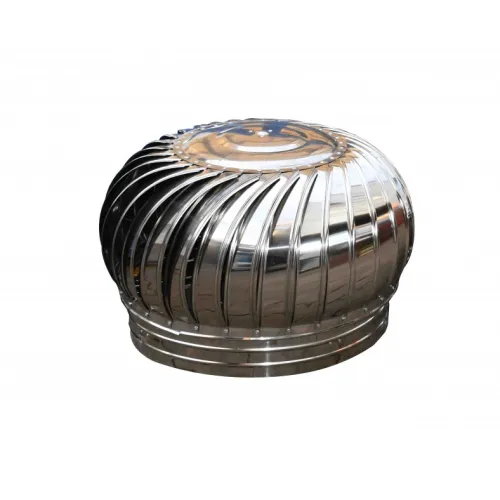

Cyclones Roof Ventilation in Kenya
Cyclone roof ventilation Kenya has become one of the most important and effective natural ventilation solutions for modern buildings across the country. Whether for homes, warehouses, poultry houses, factories, schools, or commercial buildings, efficient ventilation is a necessity — not a luxury. And when it comes to high-quality, long-lasting, and affordable cyclone roof ventilators, only at Olinc can customers get the best products, superior performance, and unmatched value for their money.
This long-form guide is designed to give your customers everything they need to know about cyclone roof ventilators: how they work, their advantages, pricing in Kenya, installation methods, usage areas, and the most commonly asked questions buyers have before purchasing. The content is written with SEO, readability, and buyer intent in mind, making it perfect for your product page, company website, or marketing platform.
What Is Cyclone Roof Ventilation?
Cyclone roof ventilation is a wind-driven ventilation system installed on rooftops to expel hot, stale, humid, or contaminated air from inside a building. Unlike electric-powered fans or extractors, cyclone ventilators operate entirely on natural wind energy. As the wind blows, the turbine spins, creating suction that pulls warm or polluted air upward and out of the building.
This system works continuously — even with light winds — and ensures a cooler, cleaner, fresher indoor environment without the cost of running electricity.
Also Known As:
- Roof turbine ventilators
- Cyclone ventilators]
- Wind-driven roof ventilators
- Rooftop exhaust turbines
-
Turbo ventilators
Regardless of the name, the purpose is the same: to improve air circulation efficiently and naturally.
How Cyclone Roof Ventilation Works
Cyclone ventilators rely on a combination of wind energy and thermal uplift:
- Wind Rotation
When wind hits the turbine from any direction, the vanes begin to rotate.
- Suction is Created
The rotation creates a low-pressure zone inside the turbine.
- Hot Air Rises Naturally
Hot air inside the building rises toward the ventilator opening.
- Stale Air is Expelled
The turbine pulls the hot, humid, or polluted air out of the building.
- Fresh Air Enters
Cool, fresh air enters through doors, gaps, and windows — naturally ventilating the space.
This continuous cycle ensures a steady flow of fresh air without electricity or mechanical motors.
Why Cyclone Roof Ventilation Is Important in Kenya
Kenya’s climate varies from hot and humid coastal regions to dry and extremely warm inland areas. Many buildings across the country suffer from:
- Excess heat buildup
- Poor airflow
- High humidity
- Strong odors
- Harmful fumes
- Smoke and dust accumulation
-
High electricity costs from cooling equipment
Cyclone roof ventilation solves all these issues using simple, natural energy.
Advantages of Cyclone Roof Ventilation Kenya
This section provides all the benefits customers want to know before buying.
Zero Electricity Required
Cyclone ventilators operate entirely on natural wind power, reducing energy expenses by up to 100% compared to electric fans.
Constant Air Circulation
They work 24/7, ensuring continuous airflow in factories, homes, warehouses, and workshops.
Reduces Indoor Temperature
By removing hot air buildup, cyclone ventilators lower indoor temperatures by 3–7°C, creating a more comfortable environment.
Improves Air Quality
They eliminate:
- Smoke
- Dust
- Odours
- Chemical fumes
- Humidity
-
Toxic gases
This makes them essential for industrial and manufacturing facilities.
Prevents Condensation and Mould
They remove moisture that causes:
- Rust
- Rot
- Mould growth
- Dampness
Perfect for cold rooms, storage areas, poultry houses, and food-processing plants.
Low Maintenance
No motors. No wiring. No repair work. Cyclone ventilators are nearly maintenance-free.
Durable and Weather-Resistant
High-quality cyclone ventilators (like those at Olinc) are made from:
- Pure aluminium
- Stainless steel
- Rust-resistant bearings
These ensure long service life (15–20 years).
Eco-Friendly and Sustainable
Cyclone ventilators are environmentally friendly because they:
- Use zero power
- Reduce carbon footprint
- Require no chemicals or fuel
Silent Operation
High-quality bearings ensure that the turbine spins smoothly and quietly.
Suitable for All Roof Types
Works on:
- IBR roofing
- Box profile
- Corrugated sheets
- Industrial steel roofs
- Commercial building roofs
Affordable and Fast Installation
Installation takes under 1 hour per unit and costs less than mechanical ventilation systems.
Increases Building Value
A naturally ventilated building stays cooler, cleaner, and more attractive to occupants or tenants.
Where Cyclone Roof Ventilation Is Used in Kenya
Cyclone ventilators are suitable for multiple applications:
Industrial Use
- Factories
- Warehouses
- Workshops
- Welding shops
- Chemical plants
- Garages
Commercial Buildings
- Schools
- Churches]
- Hospitals
- Supermarkets
- Offices
Residential Homes
- Urban houses
- Farmhouses
- Bungalows
- Roof attics
Agriculture & Farming
- Poultry houses
- Dairy farms
- Greenhouses
- Food storage units
These ventilators are extremely versatile and widely used in environments where heat, moisture, or fumes are a concern.
Common Cyclone Ventilator Sizes in Kenya
-
500mm
- 600mm
At Olinc, customers enjoy:
- Best-quality ventilators
- Competitive pricing
- Professional installation
- Long-lasting performance
How to Install Cyclone Roof Ventilators
- Select Proper Ventilator Size
Choose according to room size and ventilation needs.
- Cut the Roof Opening
Match the opening with the ventilator diameter.
- Mount the Base Plate
Use the correct base for IBR or corrugated sheets.
- Fix the Turbine Head
Attach with bolts and nuts.
- Apply Waterproof Sealant
Prevent leakage during rain.
- Test the Rotation
Ensure it spins freely.
Frequently Asked Questions (Buyer-Oriented FAQ)
- Do cyclone roof ventilators need electricity?
No. They run 100% on wind power.
- How long do they last?
15–20 years, especially aluminium and stainless steel units.
- Do they cause roof leaks?
Not if installed properly with sealant.
- Do they work during calm wind?
Yes. Rising hot air naturally rotates the turbine.
- How many units do I need?
Depends on building size — typically 1 per 100–150 m².
- Are cyclone ventilators noisy?
High-quality units from Olinc are silent.
- Can I install them myself?
Yes, but professional installation is recommended.
- What makes Olinc the best supplier?
Quality products, strong materials, fair pricing, and expert installation services.
Reviews
There are no reviews yet.