
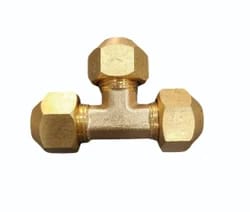

Tee Joint for Laboratory Fittings in Kenya
A Tee Joint for Laboratory Fittings in Kenya is an essential component in laboratory plumbing systems, helping technicians create secure, leak-proof connections for water, gas, vacuum, and chemical lines. With the increasing demand for durable and safe laboratory infrastructure, tee joints play a major role in ensuring efficiency and reliability.
What Is a Tee Joint for Laboratory Fittings?
A tee joint is a “T”-shaped connector used to split or combine the flow of liquids or gases. In laboratory environments, these fittings must withstand pressure, corrosion, and chemical exposure.
Types of Tee Joints for Laboratory Use
- PVC Tee Joints – Lightweight and chemical-resistant
- Stainless Steel Tee Joints – Durable and high-pressure resistant
- PP (Polypropylene) Tee Joints – Ideal for acid-based systems
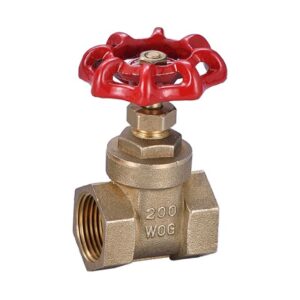
- Brass Tee Joints – Suitable for water and non-corrosive systems
Benefits of Using High-Quality Lab Tee Joints
- Strong chemical resistance
- Long service life
- Easy installation
- Leak-proof performance
-
Compatible with multiple lab systems
Applications in Modern Laboratories
Tee joints are widely used in:
- Water supply systems
- Gas distribution networks
- Chemical drainage setups
- Vacuum lines
- Centralized experimental workstations
How to Choose the Right Tee Joint in Kenya
When selecting a tee joint, consider:
- Material compatibilityPressure and temperature ratings
- Fitting size
- Laboratory environment
-
Installation method
These factors ensure you get a reliable tee joint for laboratory fittings in Kenya that meets your technical needs.
Choosing the right tee joint improves safety, performance, and durability in laboratory piping systems. Investing in high-quality fittings helps laboratories in Kenya operate efficiently and safely.
If you want me to turn this into a landing page, blog post, or product description, I can expand or customize it.
Advantages of a Tee Joint for Laboratory Fittings in Kenya
- Efficient Flow Distribution
A tee joint allows fluids or gases to be split into two different directions without reducing flow efficiency, making it ideal for complex lab setups.
- Easy Integration Into Existing Systems
Tee joints connect seamlessly with other laboratory pipes and fittings, allowing technicians to upgrade or expand systems without major redesigns.
- Strong Chemical Resistance
High-quality tee joints (PVC, PP, stainless steel) resist corrosion and chemical attacks, which is essential in laboratories working with acids, solvents, and reagents.
- Durable and Long-Lasting
Most tee joints used in laboratories are built to withstand pressure, temperature changes, and heavy-duty use, ensuring long-term reliability.
- Leak-Proof Performance
Designed with precision, tee joints provide secure sealing that prevents leaks—important for safety and accuracy in lab environments.
- Versatility in Laboratory Applications
- Tee joints can be used for water lines, gas distribution, chemical drainage, and vacuum systems, making them suitable for multiple laboratory functions.
Simple Installation and Maintenance
Their design makes installation quick and maintenance minimal, reducing downtime and ensuring continuous operation.
- Cost-Effective Solution
Tee joints are affordable components that improve operational efficiency without requiring expensive system changes.
- Supports Laboratory Safety Standards
By providing secure and stable connections, tee joints help maintain safety protocols and prevent accidents caused by fluid or gas leaks.
Frequently Asked Questions (FAQs)
- What is a tee joint for laboratory fittings?
A client may want to know the basic definition and function of a tee joint in laboratory piping systems.
- What materials are tee joints made from?
Clients usually want to know whether the tee joint is available in PVC, PP, stainless steel, brass, or other materials.
- Is this tee joint resistant to chemicals?
Lab users often ask if the fitting is safe for acids, solvents, and other harsh chemicals used in laboratories.
- What sizes of tee joints are available?
Clients want to confirm the diameter sizes compatible with their existing laboratory pipelines.
- Can this tee joint handle high pressure or high temperature?
A common question when the lab deals with pressurized gases or heated liquids.
- Is the tee joint suitable for gas, water, and chemical lines?
Buyers need to know if it supports multiple lab applications.
- How do I install the tee joint?
Clients may ask whether installation requires special tools or professional assistance.
- What is the lifespan of this tee joint?
They may want to know how durable it is under daily laboratory conditions.
- Are the tee joints compatible with existing lab fittings?
This question is important for labs upgrading or expanding their systems.
- Do you offer different angles or connection types?
Some customers will want threaded, welded, or push-fit options.
- Is this tee joint safe for sensitive laboratory environments?
Customers may ask how the product supports clean and safe lab operations.
- Do you provide delivery within Kenya?
Clients commonly ask about availability, shipping options, and delivery times.
- Is there a warranty or product guarantee?
Buyers often want assurance of quality and reliability.
- How much does a tee joint for laboratory fittings cost?
Price expectations are always a common question.
- Can I get bulk or wholesale pricing?
Laboratories or contractors may ask about discounts for larger orders.
Reviews
There are no reviews yet.